
Renault cars in India (7)
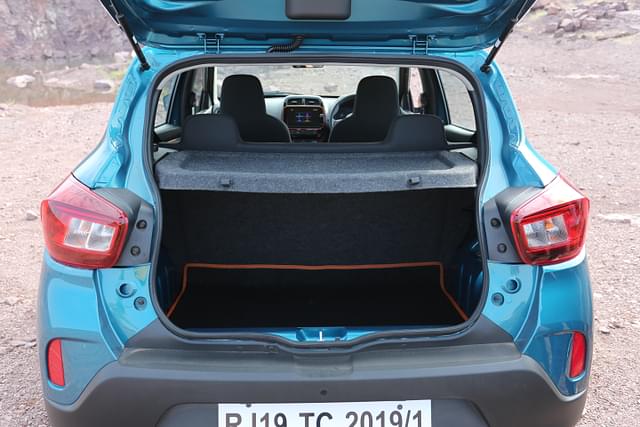
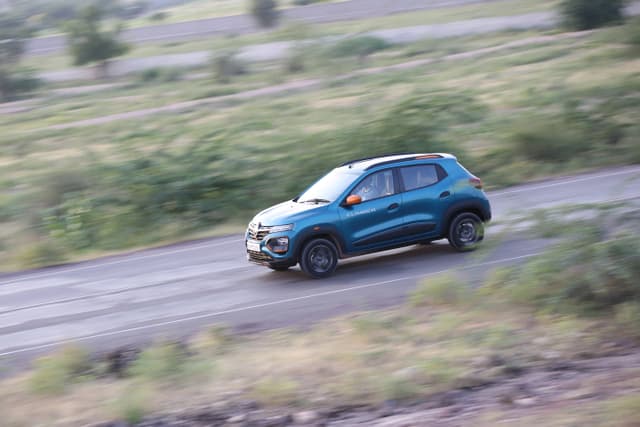
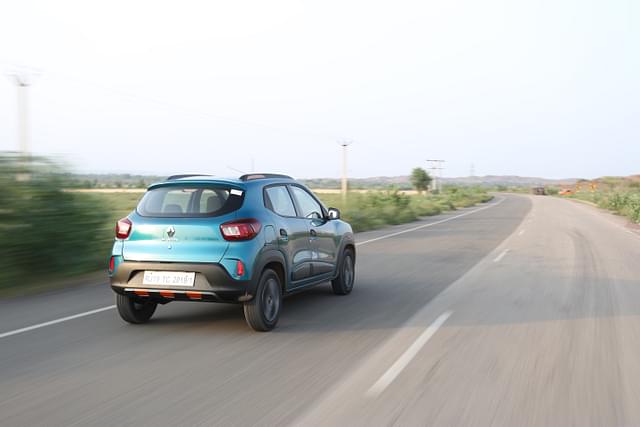
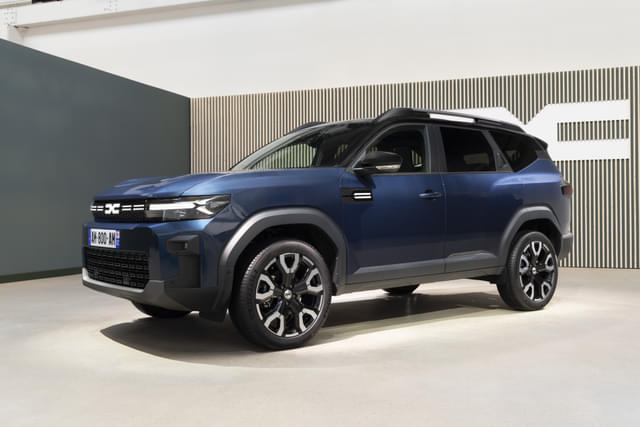
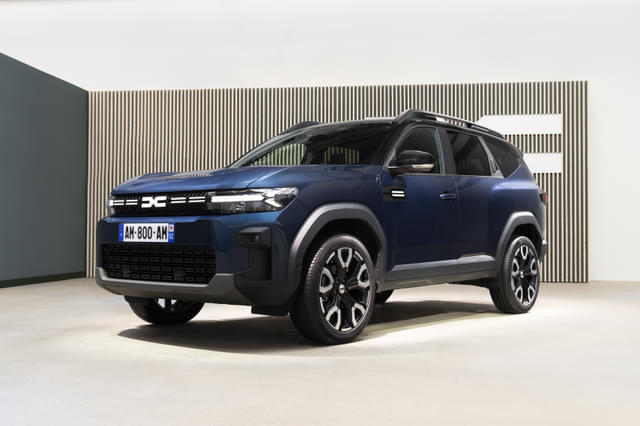
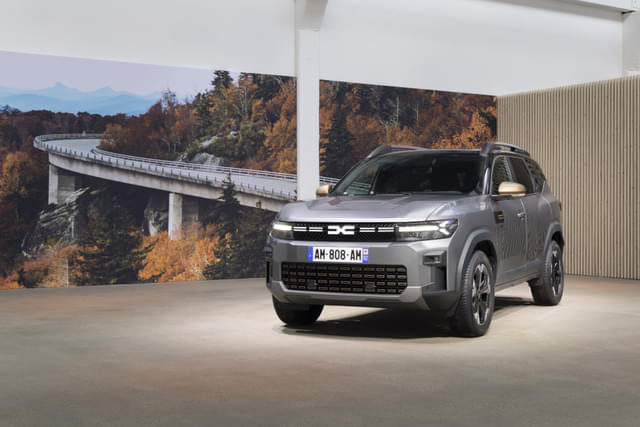
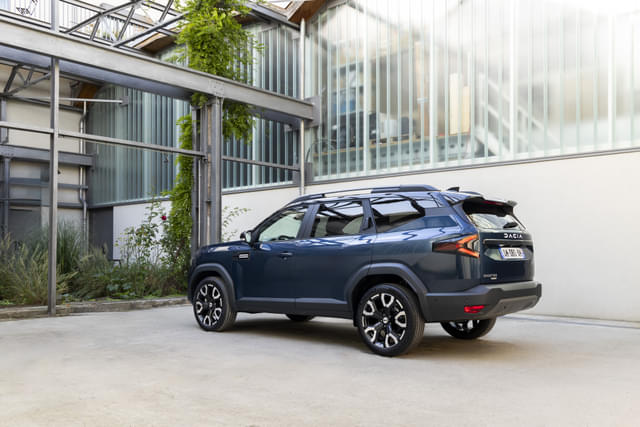
As of now, there are 7 Renault cars available in India, out of which 4 are available for sale and 3 are upcoming. The Renault car price starts at ₹4.30 lakh and goes up to ₹18.49 lakh. As of May 2026, the most affordable Renault car is the Kwid, while the Duster is the costliest.
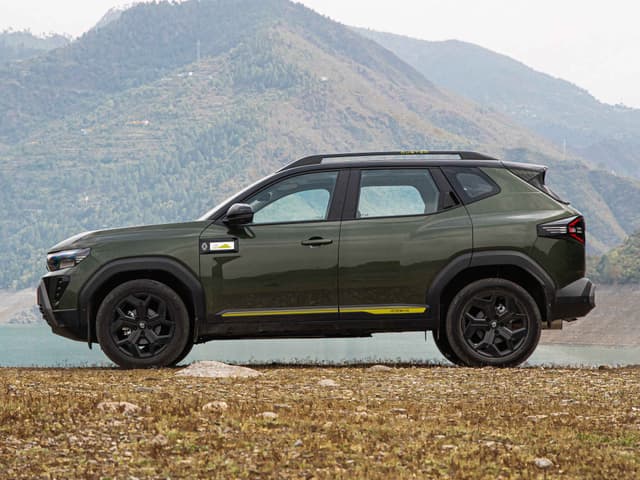
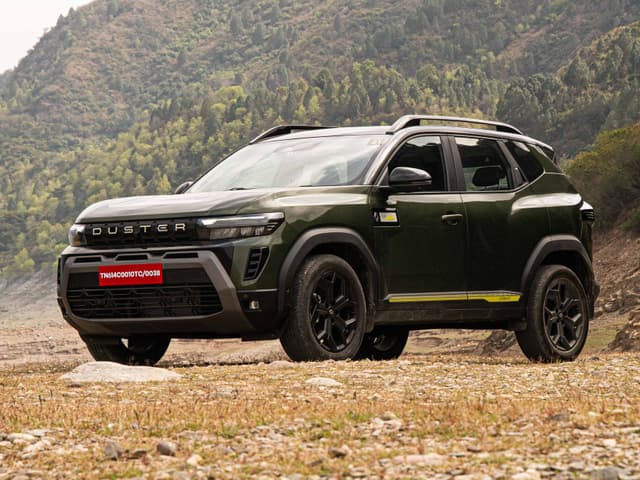
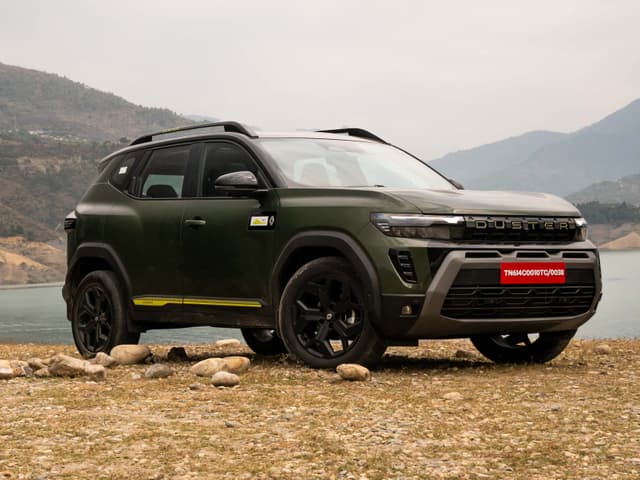
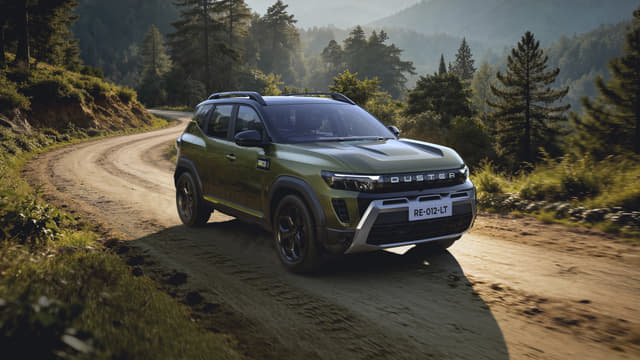
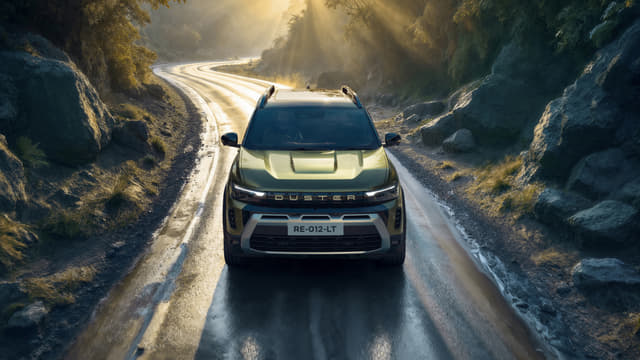
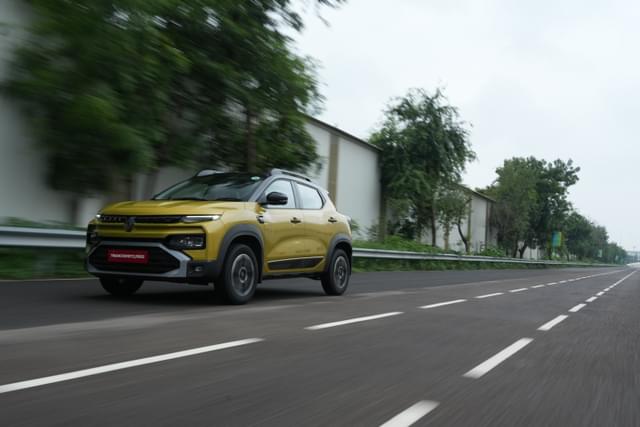
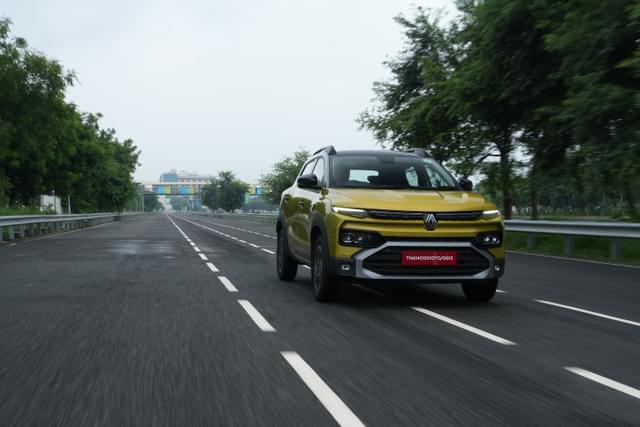
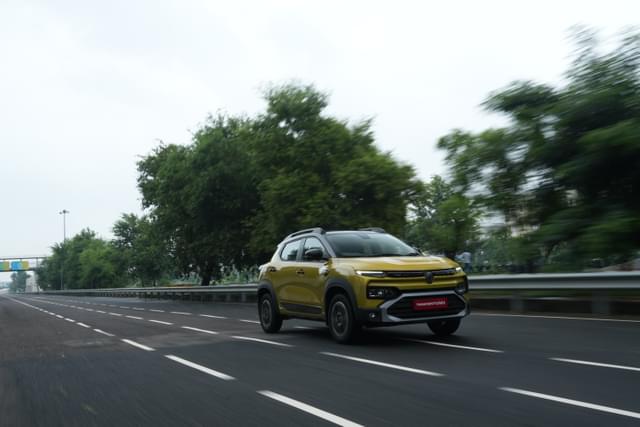
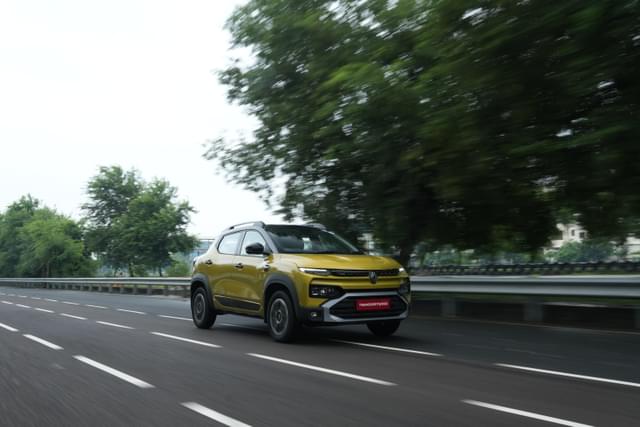
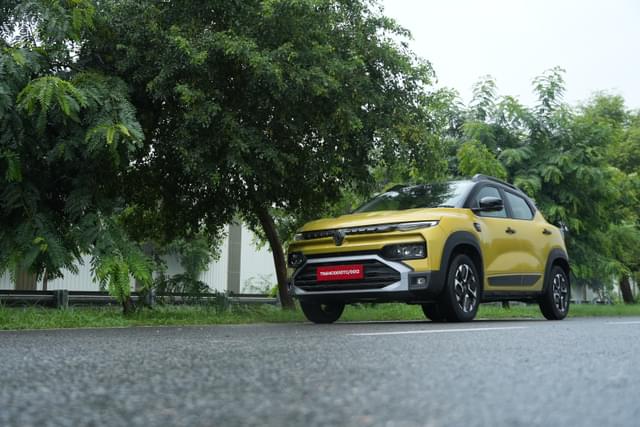
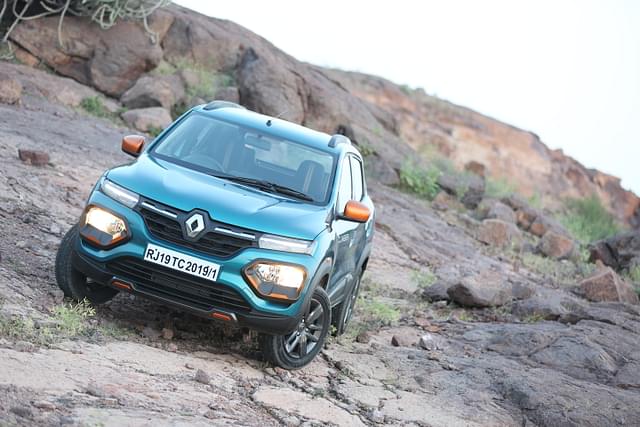
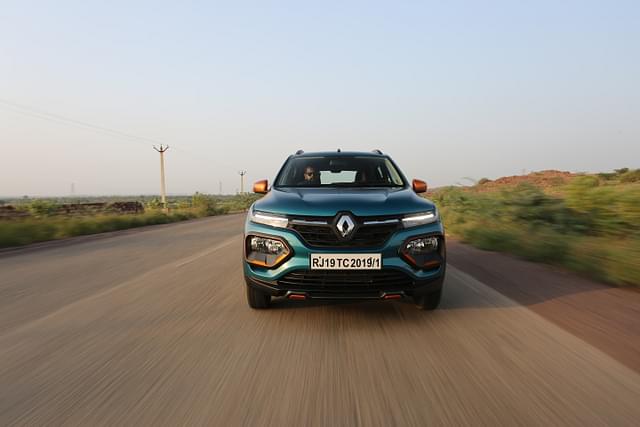
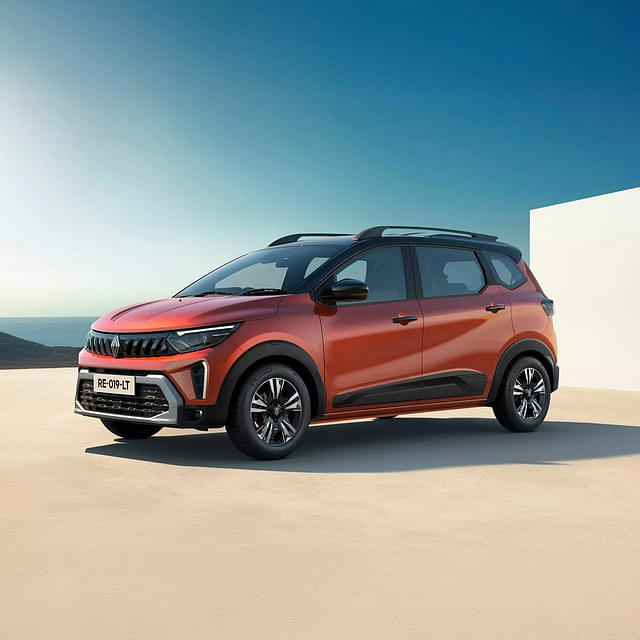
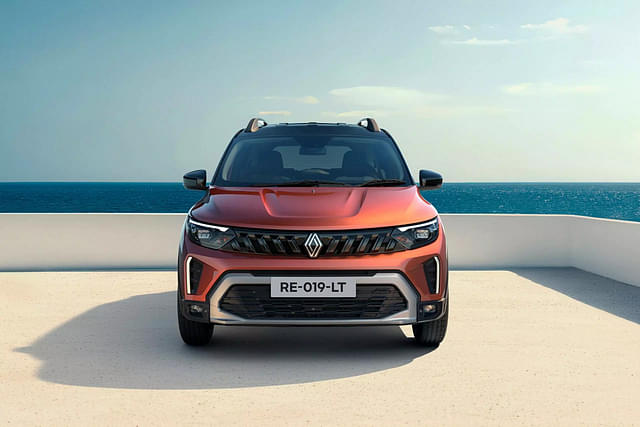
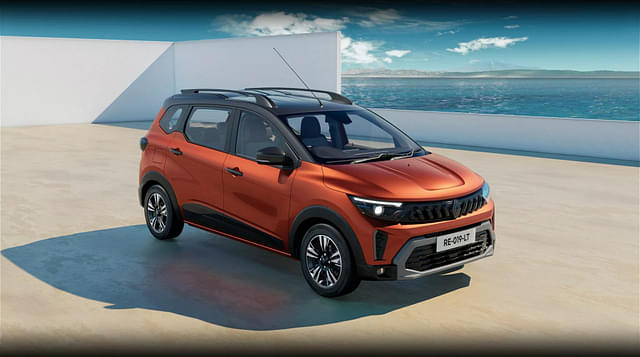
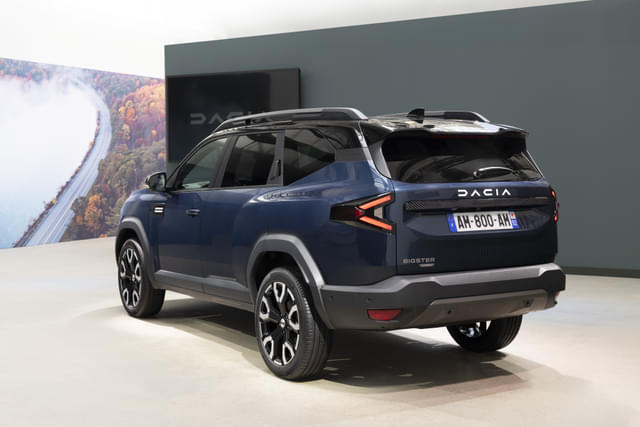
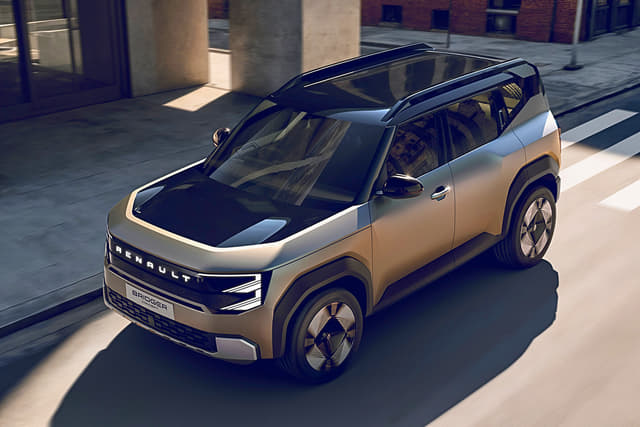
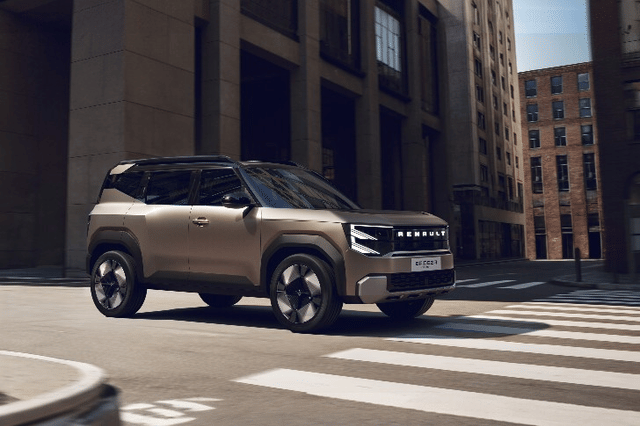
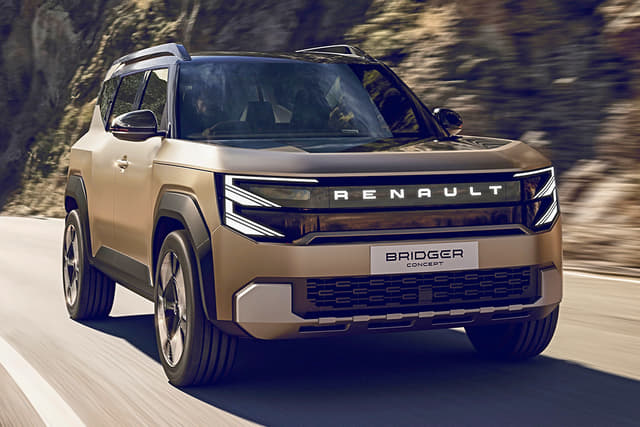
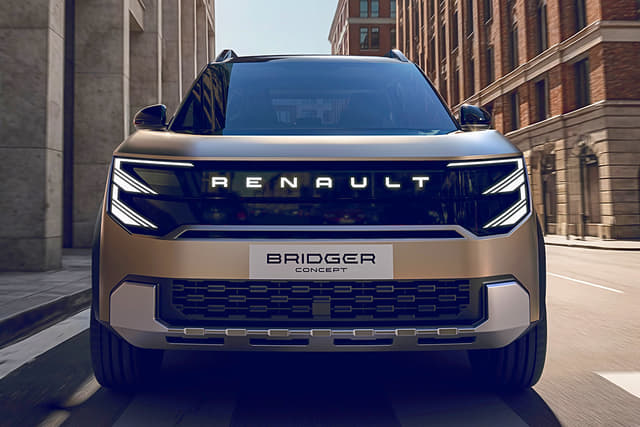
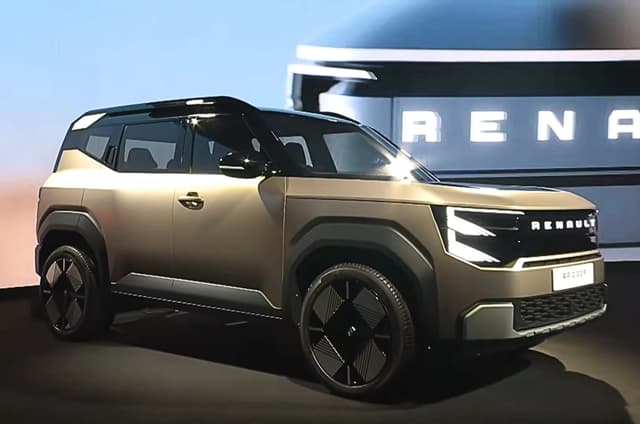
Renault cars currently available for sale in India are: Kwid, Kiger, Triber, and the recently launched new Duster. The current lineup includes: 5 SUVs, 1 hatchback, and 1 MPV. The Kiger and Duster are the only Renault SUVs on sale in India. The Renault new car launch includes the Bigster, which is expected to launch in 2026, and Bridger and Bridger Electric, expected to launch in 2027.
Renault Cars Price (May 2026)
Renault car price in India start at ₹4.30 lakh for the Kwid and goes up to ₹18.49 lakh for the Duster. View the latest and complete price list of all Renault cars available for sale in the table below:
Renault Car | Price (Ex-showroom) |
Renault Kwid | ₹4.30 lakh - ₹5.88 lakh |
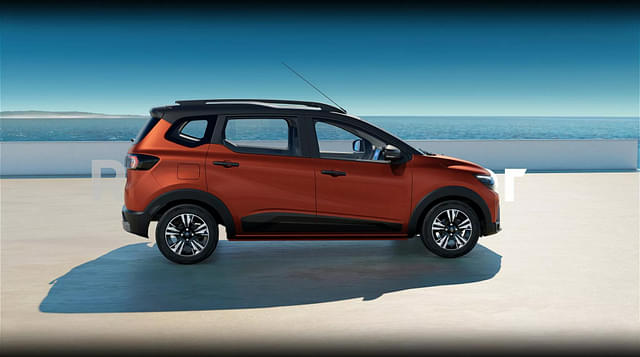
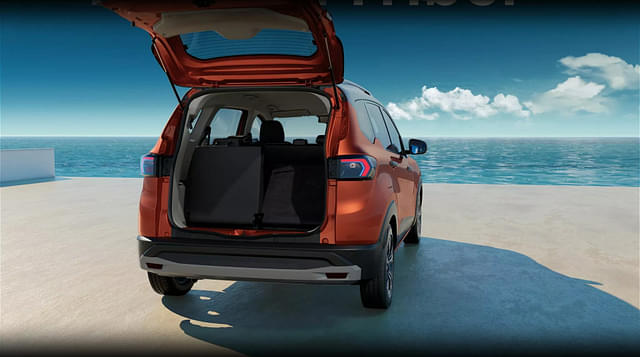
Renault Triber | ₹5.76 lakh - ₹8.39 lakh |
Renault Kiger | ₹5.81 lakh - ₹10.34 lakh |
Renault Duster | ₹10.49 lakh - ₹18.49 lakh |
Renault New Cars
Only one Renault car is expected to launch in 2026, while two more are slated for launch by 2027.
- Estimated price: ₹14.00 lakh - ₹18.00 lakh
- Expected Launch Date: 2026
- Fuel Type: Petrol
- Body Type: SUV
- Estimated price: ₹7.00 lakh - ₹11.00 lakh
- Expected Launch Date: Late 2027
- Fuel Type: Petrol
- Body Type: SUV
- Estimated Bigster price: ₹13.25 lakh - ₹16.75 lakh
- Expected Launch Date: Late 2027
- Fuel Type: Electric
- Body Type: SUV
Renault Latest Updates (May 2026)
- March 17, 2026: Renault launched the new Duster at ₹10.29 lakh.
- September 22, 2025: Renault launches Kwid 10th Anniversary Edition at ₹5.15 lakh.
- August 31, 2025: Renault Kwid will get minor updates as sales drop in the small car segment.
- August 25, 2025: Renault Kiger facelift launched at ₹6.30 lakh with the same four trims, now renamed.
- July 23, 2025: Renault Triber facelift will start at ₹6.3 lakh, six years after its 2019 launch.
- July 11, 2025: New Renault Boreal SUV unveiled.
About Renault
- Start of operations in India: Renault is a French multinational automobile manufacturer. The brand entered the Indian market in 2005 in partnership with Nissan, and has a production facility in Oragadam, near Chennai.
- Competitors: In India, Renault rivals brands like: Maruti Suzuki, Toyota, Kia, MG, Skoda, Hyundai, Mahindra, etc.
- Renault models in India: Presently, 3 Renault models are on sale: Kwid, Triber, Kiger, and Duster.
- Renault electric car plans: Currently, Renault does not yet offer an electric car in India, but the brand has plans to launch Bridger Electric by 2027.
FAQs
The Renault car price in India starts at ₹4.30 lakh for the Kwid and goes up to ₹18.49 lakh for the Duster.
Currently in 2026, 4 Renault car models are on sale in India: Kwid, Triber, Kiger, and Duster.
The Renault SUVs that are currently on sale in India are the Kiger and Duster.
Yes. The Renault new cars list includes the New Duster and the Bigster (Boreal). These modes are expected to launch in 2026, respectively.
Yes. The only Renault 7 seater car that is currently available for sale in India is the Triber, priced between ₹5.76 lakh and ₹8.39 lakh.
Renault automatic cars that are available for sale in India are the Kwid, Triber, and Kiger.
Presently, Renault does not yet have an electric car in India. However, electric versions of the Bridger is expected by 2027.
No. Renault does not have a Renault 7 seater SUV in India. The only 7 seater available is the Triber, which is an MUV.
The Renault SUV price starts at ₹5.76 lakh and goes up to ₹18.49 lakh (ex-showroom). As of now, the only Renault SUVs available are the Kiger and Duster.
Renault vehicles are known for stylish design, fuel efficiency, practical interiors, and competitive pricing.
Trending Questions on Renault Cars - Answered by Autocar Experts
Prichard Elangbam
•1dI currently drive a 2013 Maruti Alto 800 and am now looking for an upgrade. My daily commute from home to office is around 17 km. I am considering the Maruti WagonR, but I am also exploring compact SUVs. My current shortlist includes: Tata Punch Hyundai Venue Maruti Brezza Renault Kiger If any other good options suit my usage and budget, please do suggest them as well.

Autocar India
Pick the Hyundai Venue. For a 17 km city run, it gives you the upright SUV feel and visibility you want, yet stays small and easy to park, and it rides over speed breakers and broken roads far better than your Alto. It also feels like a solid upgrade inside and has a strong safety rating, while running costs stay reasonable.Be clear on one thing, though: its 1.2-litre engine is fine in town but not very quick on highways. If you often do fast trips with family, the turbo petrol will be a better choice. If that exceeds your budget, then the Fronx turbo manual is a good alternative. Renault Kiger is a good value, and the turbo is fun, though the cabin feels a bit budget and the brand’s network is thinner. The Wagon R remains the cheapest and simplest step up, but it won't feel like a significant enough step up from your Alto. The Tata Punch is a segment down from your other choices and won't feel as roomy on the inside.Overall, the Venue is a good fit for your needs.
Deep
•1dCurrently using an XUV500 manual. Looking for a mid-size or full-size SUV in automatic form under Rs 18-20 lakh. Need auto AC, central locking, power windows, and a reverse camera. The car should be easy to drive in Mumbai traffic and should offer strong performance like the XUV500. Please suggest.

Autocar India
Get the Skoda Kushaq 1.0 TSI automatic. It fits within Rs. 18-20 lakh, is compact enough to be easy in Mumbai traffic, and the turbo-petrol with the smooth automatic has the kind of mid-range shove that makes quick gaps, and flyover overtakes feel natural after an XUV500. You also get auto AC, central locking, power windows and a reverse camera in the Ambition/Style trims.What makes it work in the city is the clean, creep-friendly automatic and light steering, without the heat worries some dual-clutch setups can have in bumper-to-bumper. On the highway, it feels stable and confident, and the 1.0 turbo pulls stronger than most 1.5 NA rivals, so you won’t feel shortchanged when you need to get a move on.It isn’t as wide or roomy as your old XUV500, and fully loaded hill climbs won’t feel as effortless as a big diesel, but for daily Mumbai use with regular weekend runs, it strikes a good balance within your budget.If you want even more punch, consider the Renault Duster. Its wet-clutch DCT is smoother than the dry-clutch units found in cars such as the Kia Seltos, and it is less prone to overheating in stop-and-go traffic. On the downside, fuel efficiency is not particularly impressive, and rear seat space is more restricted than in the Skoda Kushaq.
Arun
•3dAny suggestions for a 7-seater under Rs 10 lakh? It will be used only for outstation trips.

Autocar India
Only outstation use and a Rs 10 lakh cap for 7 seats points straight to the Renault Triber. It rides comfortably on rough roads and feels steady on the highway. The packaging for a sub-4 metre vehicle is superb, with a second row that slides and a usable third row. When not in use, the third row can be removed for a generous 625-litre boot. It is easy to drive and fairly economical on fuel for long trips.A few catches: with all 7 seats up, the boot is tiny. If you are opting for the AMT, its shifts are slow and sometimes jerky. And while the engine is fine in the city, it will feel strained when pushing for an overtake with 7 people on board. If you are able to wait until the end of the year, Renault has announced that the Triber will get the 1.0-litre turbo-petrol from the Kiger with the optional CVT. This will largely address the last two catches.Alternatively, you could consider the Maruti Suzuki Ertiga, but even the base LXi trim will likely cross your Rs 10 lakh budget on-road.
Sharad
•4dHow do you compare the Renault Duster with the Toyota Urban Cruiser, especially in terms of the automatic drivetrain, value for money, and ownership costs? I will need to replace my Toyota Corolla (my third one) this year. Since I am now retired, my requirements are lower than before. My usage will be around 70% city and 30% highway driving, but I still want a comfortable and good-quality car without stretching my budget too much. We are a family of two, and occasionally I also need to help an elderly person in a wheelchair get into the car, so I am not looking for a very tall vehicle.

Autocar India
Your history of Corollas tells us that you want a reliable, fuss-free experience and that clearly points to the Toyota Urban Cruiser Hyryder. Given your limited use that is largely restricted to the city, the 1.5 NA petrol with the automatic will suit you fine. The strong hybrid will make more sense if you are covering larger distances every month, primarily in the city where it can run in pure EV mode and save a lot of fuel. Also worth noting is that the strong hybrid has a smaller boot, which might be a problem if you need to carry a wheelchair. The seat height and floor are not too high, the rear door opens wide, and the back seat is easy to slide into, which helps when guiding someone from a wheelchair.The Duster is a great choice if you are willing to try something new. It is more powerful, rides well on bad roads and feels very surefooted, but its ownership costs and resale are less certain given that it is a brand-new car. Overall, for your use, the Hyryder automatic fits best without stretching the budget too far.
Devdutta
•6dI own a 2015 Hyundai i20 Active SX and have clocked around 75,000 km on it. I now want to upgrade to a new petrol-hybrid car, mainly for 90% city use and 10% highway driving. Please suggest suitable options.

Autocar India
With 90:10 city to highway use and an upgrade from your 2015 Hyundai i20, the Maruti Suzuki Victoris strong-hybrid automatic is the best fit. In slow city traffic it can move on electric power a lot of the time, so it feels very quiet and smooth and uses less fuel. The automatic makes daily driving easy, the seat is higher than your i20 Active so you see out better, and Maruti's service reach is wide, which helps for long-term peace of mind.Know the trade-offs: the hybrid’s battery eats into boot space, and when you press hard on the highway the engine can sound loud and you may need a bit more planning for fast overtakes.If you prefer the Toyota badge, the Toyota Urban Cruiser Hyryder strong-hybrid gives you the same smooth city drive with a different cabin feel. If you want a sedan, look at the Honda City and pick the hybrid variant if available near you; it is very smooth and efficient in town, but the boot is smaller than the standard City. Overall, for mostly city driving, the Victoris hybrid lines up best.Renault will be out with the Duster hybrid later this year and that could be an option to consider if you're not in a rush to bring home a new car.
Rahul Verma
•6dDriving grandi10 from past 7 years. Planning to upgrade. Budget - 20-25L. Family of 3, including a 1-year-old. 80% city driving in Bangalore. Requirement - Fun to drive, easy for the kid to travel in, comfortable for long trips.

Autocar India
For your brief, the Skoda Kushaq 1.5 TSI DSG would be our first recommendation. Coming from a Grand i10, it will feel like a massive upgrade in performance, sophistication and overall driving experience. The 1.5 TSI is genuinely fun, the DSG is quick and smooth once on the move, and the Kushaq still manages to be comfortable enough for family duty. The rear seat is also more accommodating, which matters when you are dealing with a child seat and all the associated family luggage on longer trips.A slightly more value-focused but equally appealing alternative is the new Renault Duster 1.3 turbo DCT. It is also genuinely enjoyable to drive, rides brilliantly, and the wet-clutch DCT is actually better suited to Bangalore traffic than the dry-clutch DSG in the Skoda. The only caveat is rear seat space, which is not as generous as the Kushaq, so if rear seat comfort with a child seat is a big factor, the Skoda has the edge.
Abhay Elhence
•6dI have been driving a Renault Duster for the past 13 years and have been extremely happy with the overall ownership experience. I am now planning to replace it and am seriously considering the upcoming Renault Duster Hybrid expected around the Diwali launch period. I am essentially looking for a car that offers a strong balance of driving pleasure, safety, comfort, good looks, and sensible fuel efficiency. Would the new 1.8L Renault Duster Hybrid be the right choice for my requirements, or should I also consider other options in the ₹20-30 lakh price bracket that offer a similar experience?

Autocar India
Since you are a happy Renault Duster owner, the best upgrade for you is the new Duster hybrid. The new-gen Duster really does feel like an upgrade in terms of its interior ambience, features and tech. Age-old Duster traits like the steering shock have been fixed, and in top-spec form, there is a premium vibe to the otherwise rugged package. The only catch is that the space is about the same as your Duster. A larger 7-seat version of the Duster is also due for launch and could bring with it a roomier cabin too.As for the 1.8-litre strong hybrid powertrain, it sure has the makings of a very enticing option. The engine is strong and coupled to electric motors; real-world fuel efficiency should be very good, too. We would definitely wait for Renault's hybrid before finalising any SUV in the Rs 20 lakh plus price band.FYI - The next-gen Hyundai Creta that comes by early 2027 is also expected to launch with a strong hybrid powertrain.
Akanksha Jha
•1wMy fiancée and I are planning to buy our first car together. We are both in the 24-26 age group and have a combined monthly income of around ₹2.2 lakh. We are considering a budget of approximately ₹16 lakh, with a planned down payment of around ₹4 lakh. My fiancé is keen on buying the Renault Duster 1.3L Turbo Manual, while I am more inclined towards options like the Kia Seltos or Toyota Hyryder. I am mainly concerned about the Duster’s long-term resale value, service experience, and maintenance costs compared to the other options.

Autocar India
The new Renault Duster 1.3 turbo manual is the enthusiast’s choice. It will be the most enjoyable to drive of the lot, feels robust, rides very well and has that proper SUV character many buyers still love. If your fiancé enjoys driving, we completely understand the appeal. Your concern is valid, though. Resale value is unlikely to be as strong as a Kia, Toyota or Maruti-backed product, and Renault’s aftersales network is not as wide or as confidence-inspiring as Kia or Toyota.The Kia Seltos is the balanced all-rounder here. It feels more premium inside, is easier to recommend from a resale and ownership confidence perspective, comes with a richer feature set and is simply a very polished product overall. It may not have the same rugged SUV flavour as the Duster, but as a first car for a young couple, it is probably the easiest to live with.The Toyota Hyryder takes a different route. If long-term ownership, reliability and fuel efficiency are high on your priority list, it makes a lot of sense. But if you are comparing the naturally aspirated petrol against the turbo Duster or even the Seltos turbo, it will not feel nearly as exciting or as effortless from behind the wheel.
sarvajith
•1wHi, I am planning to upgrade from my 2016 Maruti Suzuki Ignis AMT to an automatic SUV. My budget is Rs. 20-22 lakh. The usage will mostly be in Bangalore city, along with occasional highway trips. My priorities are safety, a fun-to-drive experience, and then comfort. Please suggest suitable options.

Autocar India
For your priorities, we would suggest the Renault Duster 1.3 turbo DCT. Coming from an Ignis AMT, this will feel like a massive upgrade in every meaningful way. The wet clutch DCT is a big advantage in Bangalore traffic because it is smoother and less prone to overheating than the dry clutch DCT setups used in rivals like the Seltos and Creta, while still delivering quick responses when you want to drive enthusiastically.More importantly, the Duster is genuinely enjoyable from behind the wheel. It feels involving to drive, has strong performance from the 1.3 turbo petrol and the ride quality is very absorbent and comfortable, which matters on Bangalore’s mixed road conditions. The one trade off is rear seat space, which is not as generous as some rivals in this segment.If rear seat space matters more, the new Tata Sierra 1.5 turbo petrol automatic is also worth considering. It is practical, spacious and still nice to drive, though it is not quite as driver focused as the Duster.If your absolute priority is playing it safe from an ownership familiarity perspective, the Kia Seltos turbo DCT is the safer mainstream pick.
Soumil
•1wI’m on the hunt for a car with a budget of around ₹20 lakh ex-showroom. I’m open to stretching the budget a bit if I find a truly amazing car or one with cutting-edge tech. Right now, I hold a R-Pass booking for the Duster Hybrid. I took the Duster 1.3L DCT for a spin and absolutely loved the driving feel and the engine. The front cabin was also quite nice. However, my family felt the rear was very cramped and congested. I don’t want people sitting in the rear complaining about my car space. It’s usually just my wife and me travelling; my family rarely joins us for long trips. So, we’re still deciding whether to stick with the hybrid or explore other options because of the cramped space at the rear. Also, if they launch it at ₹ 24-25 L, starting it would be overpriced for the quality it offers. I also test-drove a Seltos Diesel Automatic. Everyone enjoyed it equally. The only thing it didn’t quite have was the performance of the VW or Duster 1.3. But overall, it’s a good, stable car with good comfort and a smooth drive, the best overall. I’m a bit worried about the ethanol blending updates without proper planning by the government, and how it will affect our petrol cars, as the maximum supported blending is E20. Diesel feels safer, especially since staying in Mumbai, I can do weekly or bi-weekly highway trips through the Atal-Setu/Palm Beach Road to get the right amount of highway running to avoid DPF issues. I don’t have a home charger for an EV for at least a year until I shift into our new apartment, so I’m not sure if I should consider them. Also, there aren’t any reliable EVs within my budget except for the Hyundai Creta EV. It’s a nice car, but it feels a bit outdated and isn’t rated as safe as a 5-star vehicle. Staying away from Tata cars. Any suggestions welcome

Autocar India
Coming to the first part of your question, you mentioned that you loved the driving experience of the Renault Duster 1.3 Turbo DCT, you are planning to skip it because your family wasn't happy with the space at the back. We would strongly advise you to reconsider.Yes, space is tighter than most rivals in this class, and ingress/egress (for rear passengers) is a bit difficult, but if you're rarely going to have passengers at the back, it shouldn't be a deal-breaker for you. If you really enjoyed the drive experience, it is certainly worth going for. The turbo-DCT isn't very fuel efficient, but keep in mind that the hybrid is likely to command a significant premium over it, so unless your usage is over 1500km per month, it is worth opting for the turbo-petrol DCT.The Kia Seltos is an excellent all-rounder, when it comes to space, comfort, interior quality and it is one that checks all the right boxes, however unlike the Duster, it lacks that emotional appeal, so it won't tug at your heartstrings. If you go for it, you won't go wrong with it.Your concern of whether the petrol engine will be capable of handling higher Ethanol blend is valid, so opting for an EV could be an option, but be prepared to pay a premium for an electric powertrain. As far as the Hyundai Creta Electric goes, yes, it does feel a bit old compared to the modern offerings, however it is an excellent car - one that we easily recommend.
Last Updated on: 29 May 2026